
Accelerating compliance-grade reporting and digital decision-making for a $100M oil & gas company

March 7, 2025

A growing mid-market oil & gas operator modernized its fragmented reporting stack to gain real-time visibility across Finance, Sales, and Operations. The 12-month program replaced manual reconciliations with governed, automated pipelines and executive-ready dashboards—reducing cycle times, cutting costs, and unlocking new revenue opportunities.

Oil & Gas

$100M Rev.

12 months

Automated pipelines + Power BI

1,200+ hours saved, $3M+ uplift

Their data challenges

Siloed, manual workflows

Teams moved data between Zoho, SAP, and Excel by hand, consuming hundreds of hours monthly and creating version-control risk.

Unreliable dashboards

Refresh failures and data-quality issues forced analysts to validate reports instead of analyzing them.

Limited executive visibility

Leadership lacked timely insight into sales pipeline, inventory, working capital, and borrowing-base position.

Slow, error-prone reporting

Month-end close and capital-allocation decisions lagged; errors increased rework and compliance exposure.

The solution

QUVAH’s Solution Approach

Quvah partnered with the client to deliver a 12-month modernization program that stabilized current reporting, automated data movement, and delivered governed, decision-grade dashboards.

Phase 1

Stabilization (Months 1–3)
  • Audited and rebuilt critical Power BI workspaces (Finance, Sales, Operations).
  • Fixed refresh failures and data-integrity defects; standardized KPI definitions.

Phase 2

Automation (Months 4–7)
  • Implemented Azure Data Factory pipelines for Zoho CRM, SAP SQL, and Excel; centralized files in SharePoint.
  • Added logging, error handling, and alerting to harden reliability.
  • Retired manual imports and reconciliations.

Phase 3

Strategic Dashboards (Months 8–12)
  • Operations: live inventory and order-tracking views.
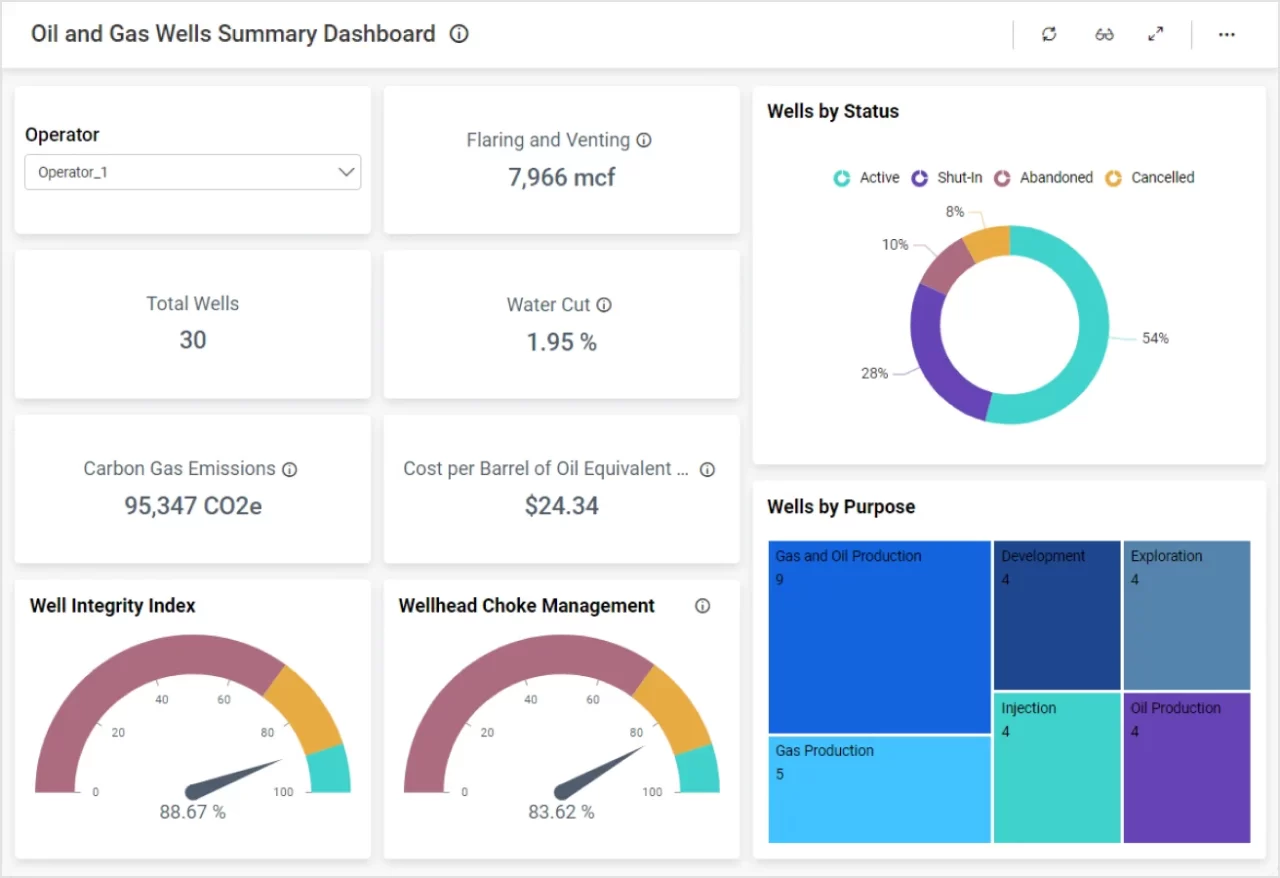
  • Executive: weekly flash (cash, margins), borrowing base, month-end close package.
  • Sales: run-rate performance, pipeline health, inquiry-to-order conversion.
  • Enablement: training, documentation, and change management for adoption.

Things We have used

Tech highlights

The results seen with Quvah

1,200+ staff hours eliminated annually from manual reconciliations and imports (~$90,000/year in labor savings).

60% faster decision-making via real-time dashboards across Finance, Sales, and Operations.

Reporting cycle time down 40%; rework and compliance-related penalties eliminated.

$3M+ annual revenue uplift from faster capital allocation, improved sales visibility, and optimized inventory turns.

Future-ready analytics foundation that scales without adding reporting headcount.

Operational and financial benefits

Cost savings

~$90K/year from reduced manual effort and error remediation.

Working-capital cadence

Earlier, more accurate cash and inventory views improved draw decisions and vendor timing.

Audit & compliance readiness

Standardized KPIs and governed refresh pipelines simplified evidence collection and reduced audit stress.

Revenue acceleration

Sales and operations leaders acted on leading indicators (pipeline health, run-rate, fulfillment constraints) to capture incremental demand, contributing >$3M annually.

Future Directions

With the core reporting foundation in place, the roadmap includes predictive demand and inventory forecasting, driver-based planning, and automated borrowing-base projections—leveraging the same governed data fabric to expand use cases without expanding headcount.